
For Appointments, call 077009 99193
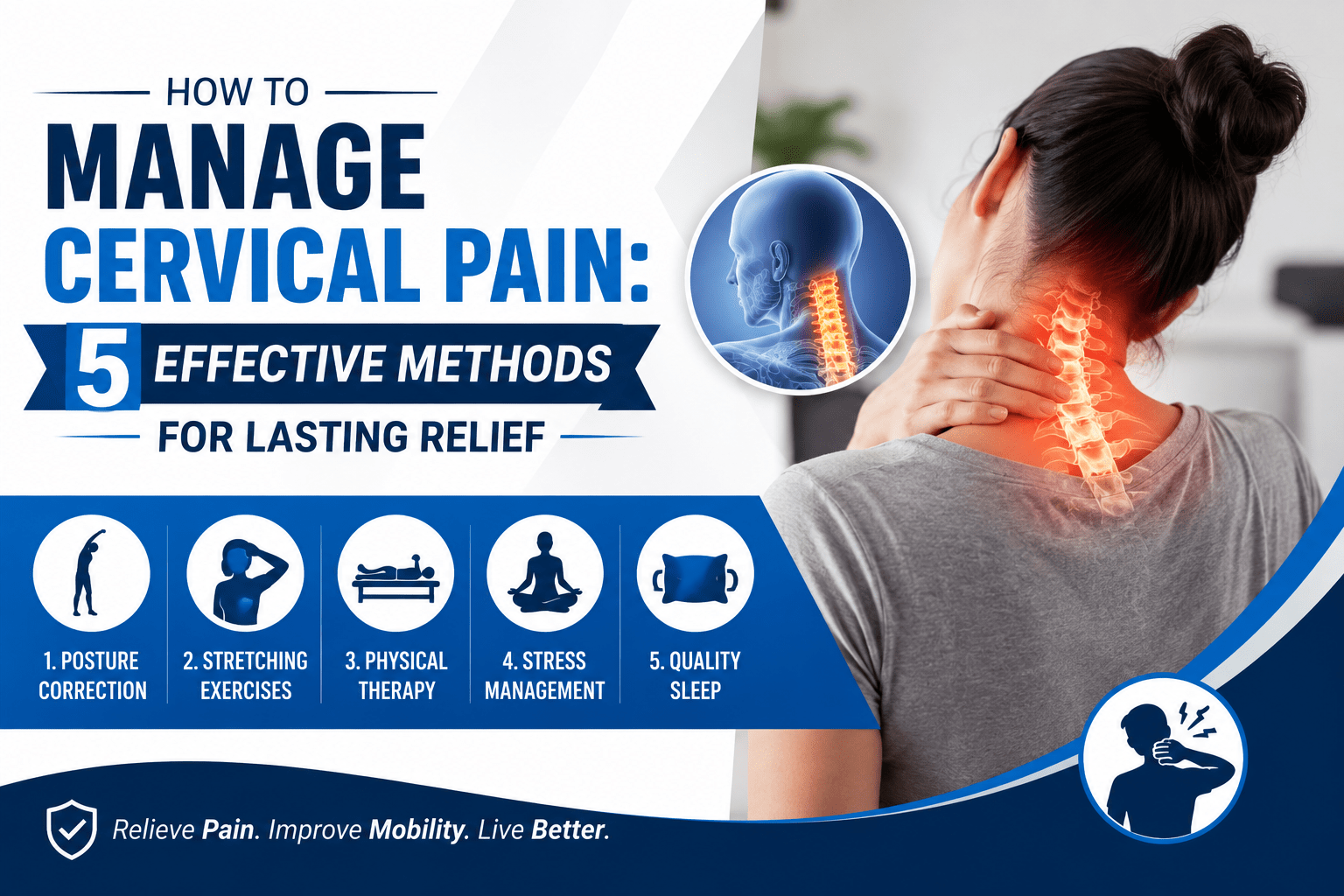
How to Manage Cervical Pain: 5 Effective Methods for Lasting Relief
Cervical pain, commonly known as neck pain, is a prevalent issue affecting people of all ages. In today’s fast-paced world, prolonged screen time, sedentary lifestyles, and poor posture have led to an increase in how to manage cervical pain: 5 effective methods for lasting relief. Addressing this discomfort early is crucial to prevent it from becoming a chronic condition that significantly impacts your quality of life. Understanding the causes and symptoms, and adopting effective management strategies, can pave the way for lasting relief.
What is Cervical Pain?
Cervical pain refers to any discomfort, stiffness, or ache felt in the neck region. The cervical spine, located at the top of your backbone, consists of seven vertebrae that support your head and protect the spinal cord. This complex structure allows for a wide range of head movements, but it also makes it susceptible to injury and strain. While occasional neck stiffness can be temporary, chronic cervical pain can be debilitating, affecting daily activities, sleep, and overall well-being. Differentiating between temporary aches and persistent pain is the first step toward effective management.
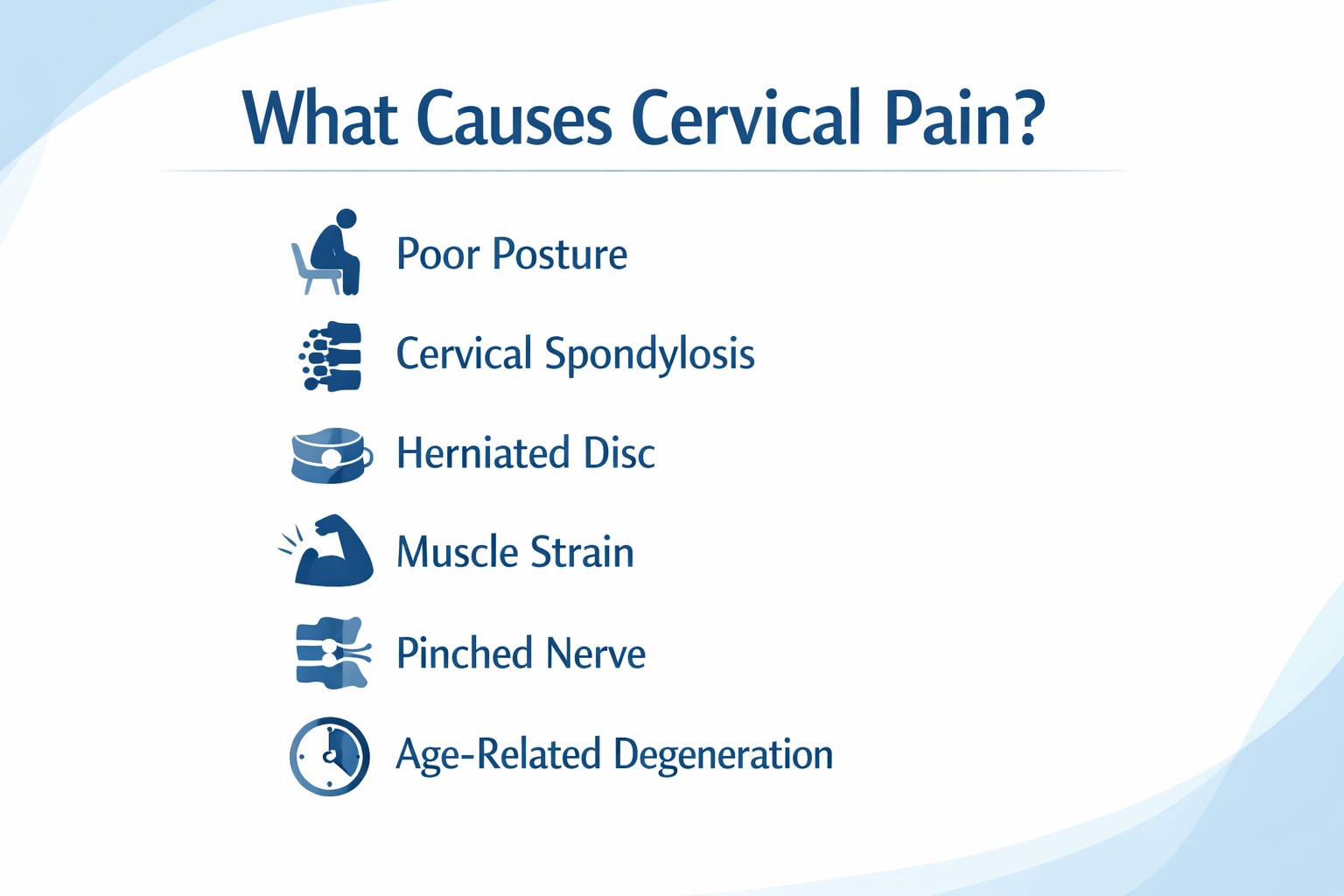
What Causes Cervical Pain?
Several factors can contribute to cervical pain, ranging from daily habits to underlying medical conditions:
Poor Posture
Slouching, hunching over desks, or craning your neck to look at screens can put immense stress on your cervical spine. This is a leading cause of neck pain for many, especially office workers and IT professionals.
Cervical Spondylosis
This is a common age-related condition involving the gradual wear and tear of the spinal discs and joints in the neck. It can lead to stiffness and pain.
Herniated Disc
When the soft, gel-like center of a spinal disc pushes through its tougher exterior, it can press on nerves, causing pain, numbness, and weakness in the neck and arms. This is a common issue that might require a spine doctor in Mumbai
Muscle Strain
Overuse, sudden movements, or improper lifting can lead to strains in the neck and upper back muscles, resulting in acute pain.
Pinched Nerve
When a nerve in the cervical spine is compressed or irritated, it can cause sharp, shooting pain, tingling, or numbness that radiates down the arm.
Age-Related Degeneration
As we age, the structures of the spine naturally degrade, increasing the likelihood of developing pain and stiffness in the neck. Elderly individuals are particularly at risk.
Common Symptoms of Cervical Pain
Recognizing the symptoms of cervical pain is vital for seeking timely intervention. Common signs include:
- Neck stiffness: Difficulty moving your neck freely.
- Shoulder pain: Pain that may radiate from the neck to the shoulders.
- Arm pain: Discomfort, numbness, or tingling that travels down the arm.
- Tingling or numbness: Often felt in the hands and fingers, indicating nerve involvement.
- Headaches: Pain originating in the neck that can extend to the head.
- Reduced neck movement: Limited range of motion in the neck.
- Muscle weakness: A noticeable decrease in the strength of arm or hand muscles.
How to Manage Cervical Pain: 5 Effective Methods for Lasting Relief
Effective management of cervical pain involves a multi-faceted approach. Here are five key methods to help you find lasting relief:
1. Maintain Proper Neck Posture
Your daily habits significantly impact your neck health. Being mindful of your posture throughout the day can prevent and alleviate cervical pain:
- Ergonomic Workstation: Set up your desk to promote good posture. Your chair should support your back, and your feet should be flat on the floor.
- Correct Sitting Posture: Sit upright with your shoulders relaxed and back, avoiding slouching.
- Screen Height: Position your computer monitor at eye level so you don’t have to crane your neck up or down.
- Mobile Phone Posture: Avoid “text neck” by holding your phone at eye level or taking frequent breaks when using it for extended periods.
2. Perform Regular Neck Exercises
Gentle exercises can help improve flexibility, strengthen neck muscles, and reduce stiffness.
- Stretching Exercises: Slowly tilt your head from side to side, forward, and backward, holding each stretch for 15-30 seconds.
- Strengthening Exercises: Gently resist your head movements with your hand to build neck muscle strength. For example, press your forehead into your hand while keeping your neck still.
- Benefits of Physiotherapy: A physiotherapist can design a personalized exercise program tailored to your specific condition. They can also employ techniques to relieve pain and improve function.
3. Use Heat and Cold Therapy
Both heat and cold can be effective in managing cervical pain:
- When to Use Ice Packs: Apply ice packs for 15-20 minutes at a time during the initial stages of acute pain or after an injury to reduce inflammation.
- When to Use Heat Therapy: Use a heating pad or warm compress to relax tense muscles and improve blood flow, which can help ease stiffness and chronic pain.
- Pain Relief Benefits: These therapies can provide temporary relief from discomfort and make it easier to perform exercises.
4. Make Healthy Lifestyle Changes
Adopting a healthy lifestyle supports overall musculoskeletal health and can significantly impact cervical pain:
- Regular Physical Activity: Engage in moderate exercise most days of the week. Activities like walking, swimming, or yoga can improve overall fitness and posture.
- Healthy Weight: Maintaining a healthy weight reduces the strain on your entire body, including your spine.
- Stress Management: Stress can lead to muscle tension, particularly in the neck and shoulders. Practice relaxation techniques like deep breathing or meditation.
- Proper Sleeping Position: Sleep on your side or back with a supportive pillow that keeps your neck in a neutral position. Avoid sleeping on your stomach.
For other related health concerns, seeking specialized care is important. For instance, if you are experiencing knee issues, you might consider consulting a spine surgery like those found at Arora Clinic. If a knee replacement is being considered, local specialized care can be found via directions to a Spine Specialist at
5. Consult a Spine Specialist Early
Ignoring persistent neck pain can lead to more severe problems. Seeking professional help is essential for proper diagnosis and treatment.
- When to Seek Medical Help: If your neck pain is severe, doesn’t improve with home care, or is accompanied by symptoms like radiating arm pain, numbness, or weakness, it’s time to consult a professional.
- Importance of Early Diagnosis: An early and accurate diagnosis by a Spine Specialist Surgeon in Mumbai can help identify the root cause of your pain and prevent further complications.
- Treatment Planning: A specialist can create a personalized treatment plan, which may include medication, physiotherapy, or, if necessary, surgical intervention. For those considering surgery, understanding the cost of spine surgery in Mumbai is important.
Who is at Higher Risk of Cervical Pain?
Certain professions and lifestyle habits increase the risk of developing cervical pain:
- Office workers and IT professionals: Due to prolonged sitting and screen use.
- Drivers: Especially those who spend long hours in the car.
- Elderly individuals: Due to age-related spinal degeneration.
- Smartphone users: The habit of looking down at phones strains the neck.
- People with poor posture: Regardless of their profession.
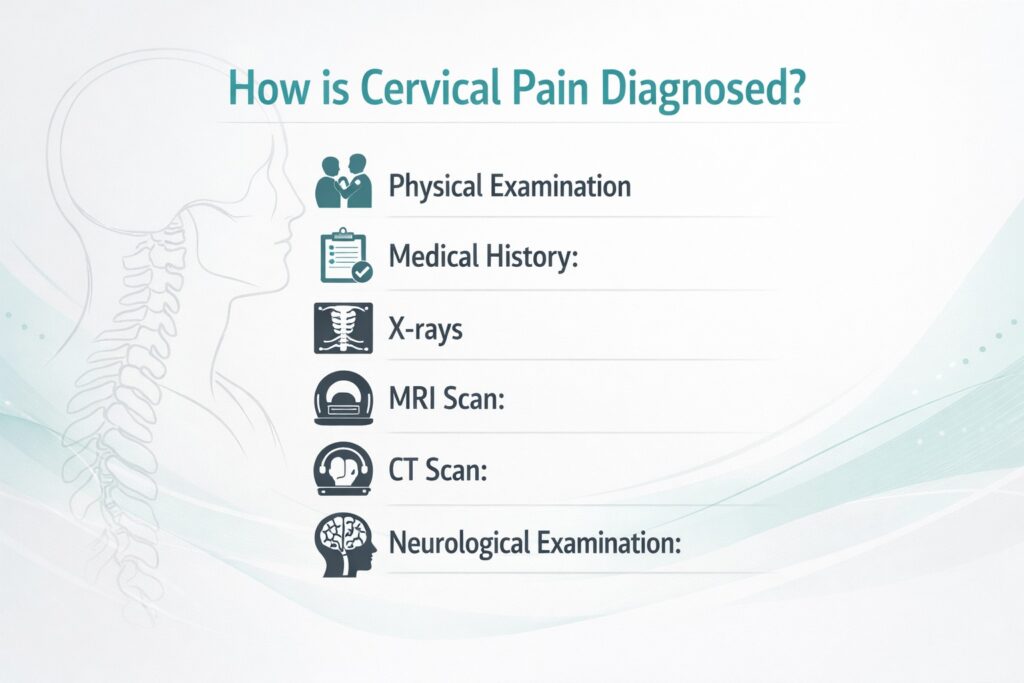
How is Cervical Pain Diagnosed?
A thorough diagnosis is key to effective treatment. A Spine Doctor in Mumbai will typically use a combination of methods:
- Physical Examination: Assessing your neck’s range of motion, muscle strength, and checking for tenderness.
- Medical History: Discussing your symptoms, lifestyle, and any previous injuries.
- X-rays: To view the bones and check for arthritis or disc degeneration.
- MRI Scan: Provides detailed images of soft tissues like discs, nerves, and the spinal cord.
- CT Scan: Offers cross-sectional images of the spine, often used when MRI is not suitable.
- Neurological Examination: To check reflexes, sensation, and muscle function, identifying nerve compression.
Treatment Options for Cervical Pain
Treatment varies depending on the cause and severity of the pain.
Non-Surgical Treatments
Many cases of cervical pain can be effectively managed without surgery:
- Medications: Over-the-counter pain relievers, anti-inflammatories, or muscle relaxants may be prescribed.
- Physiotherapy: A cornerstone of treatment, including exercises, manual therapy, and education.
- Lifestyle Modifications: Implementing ergonomic changes, posture correction, and stress management.
- Cervical Collar: May be recommended for short-term support in cases of acute injury or severe pain.
Surgical Treatment (When Necessary)
For severe or persistent conditions that do not respond to conservative treatments, surgery may be considered. This is typically reserved for:
- Severe nerve compression: When a nerve is significantly pinched.
- Herniated disc: If conservative treatments fail to relieve severe symptoms.
- Advanced cervical spine conditions: Such as severe instability or significant spinal stenosis.
If you are considering spine surgery in Mumbai or the top spine surgeon in Mumbai is paramount. Many reputable Spine Surgery Hospitals in Mumbai offer advanced surgical care,
Tips to Prevent Cervical Pain
Prevention is always better than cure. Incorporate these habits into your daily life:
- Maintain good posture in all activities.
- Exercise regularly to keep your neck and back muscles strong and flexible.
- Avoid prolonged screen time by taking frequent breaks and practicing good ergonomics.
- Use ergonomic furniture at home and work.
- Lift objects correctly by bending your knees and keeping your back straight.
- Sleep with proper neck support using a suitable pillow.
When Should You Visit The Spine Clinic?
It’s important to seek professional help at The Spine Clinic if you experience any of the following persistent symptoms:
- Persistent neck pain that doesn’t subside.
- Pain that radiates down your arm.
- Numbness or tingling sensations.
- Significant muscle weakness in your arms or hands.
- Difficulty walking or maintaining balance.
Why Choose The Spine Clinic?
At The Spine Clinic, we are dedicated to providing comprehensive care for all spine-related issues, including cervical pain. We offer:
- Experienced spine specialists who are leaders in their field.
- Advanced diagnostic facilities for accurate assessments.
- Personalized treatment plans tailored to your unique needs.
- Comprehensive non-surgical and surgical spine care, ensuring all options are explored.
- A patient-focused approach dedicated to your recovery and well-being.
If you are seeking the best spine surgeon in Mumbai or a trusted Spine Specialist look no further than The Spine Clinic. Our team is equipped to handle everything from minor strains to complex spinal conditions, ensuring you receive the highest standard of care.
Copyright © 2025 Website is Designed and Handle by Hopeland Healthcare