
For Appointments, call 077009 99193
How to Handle Slip Disc Pain at Home
Slip disc pain can be extremely uncomfortable and may interfere with your daily activities, work, and sleep. Many people look for ways to manage their symptoms before seeking medical treatment. If you are wondering How to Handle Slip Disc Pain at Home, understanding the right home-care strategies can help reduce pain and improve mobility while supporting your recovery.
A slip disc, also known as a herniated disc or prolapsed disc, occurs when the soft inner portion of a spinal disc pushes through a tear in the outer layer. This can put pressure on nearby nerves and cause pain, numbness, tingling, or weakness in the back, neck, arms, or legs.
What Causes a Slip Disc?
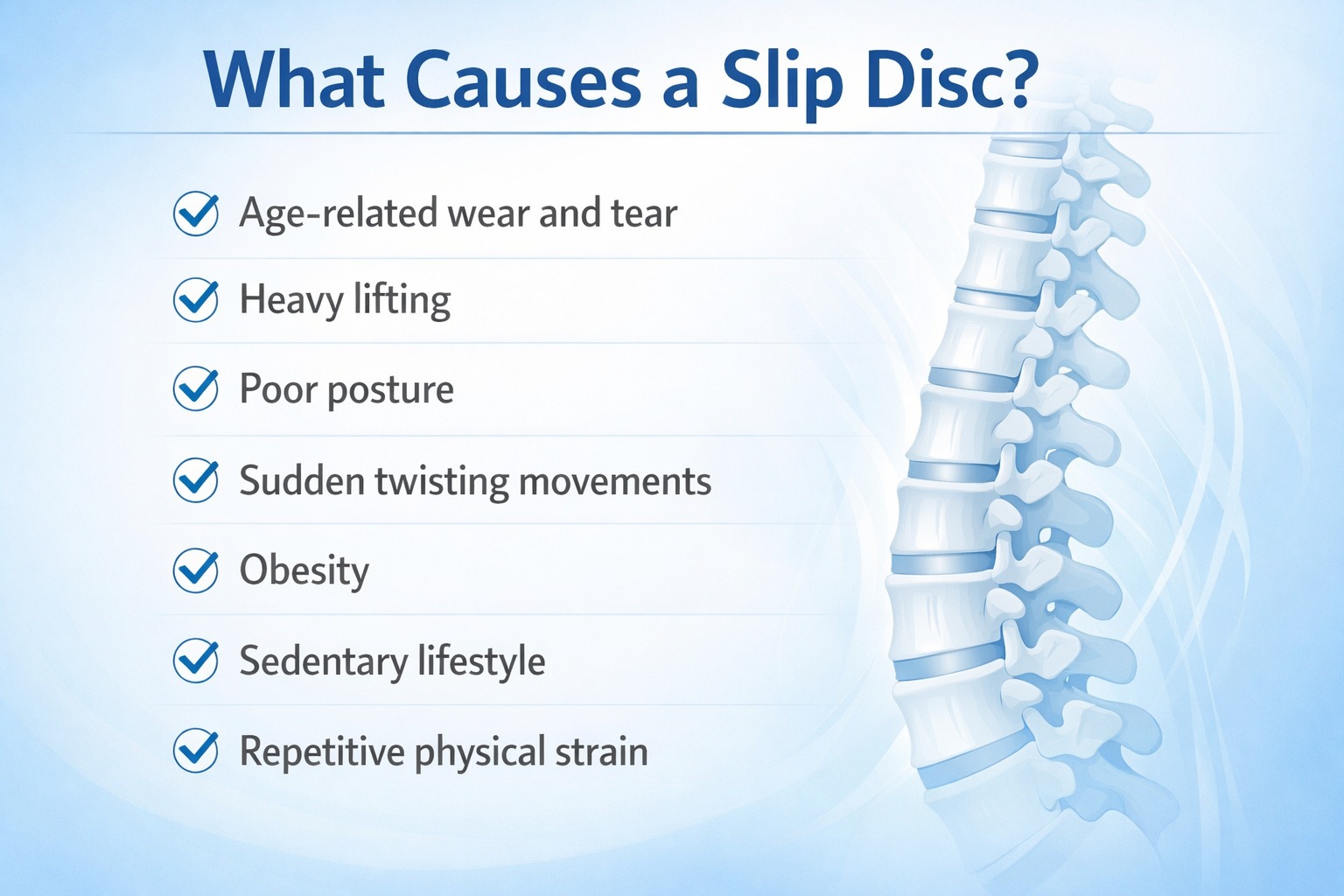
Several factors can contribute to a slipped disc, including:
- Age-related wear and tear
- Heavy lifting
- Poor posture
- Sudden twisting movements
- Obesity
- Sedentary lifestyle
- Repetitive physical strain
While some cases require medical intervention, mild to moderate symptoms can often be managed at home with proper care.
Rest, But Don’t Stay in Bed Too Long
Many people believe complete bed rest is the best solution for back pain. However, prolonged inactivity can actually make symptoms worse.
Short periods of rest during severe pain are helpful, but it is important to gradually return to gentle movement. Light activities help improve blood circulation, reduce stiffness, and support healing.
Avoid:
- Heavy lifting
- Sudden bending
- Twisting movements
- High-impact exercises
Apply Hot and Cold Therapy
Cold and heat therapy are simple yet effective ways to reduce slip disc pain.
Cold Therapy
During the first 48 hours, applying an ice pack can help reduce inflammation and swelling around the affected area.
Benefits include:
- Reduced inflammation
- Decreased nerve irritation
- Temporary pain relief
Heat Therapy
After the initial inflammation settles, heat therapy can relax tight muscles and improve blood flow.
Heat may help:
- Reduce muscle stiffness
- Improve flexibility
- Promote healing
Use either therapy for 15–20 minutes at a time.
Maintain Good Posture
Poor posture places additional pressure on the spinal discs and may worsen symptoms.
To protect your spine:
- Sit with proper back support
- Keep both feet flat on the floor
- Avoid slouching
- Use ergonomic chairs
- Maintain proper neck alignment while using devices
Good posture reduces stress on the spine and helps prevent further disc irritation.
Gentle Stretching Exercises
Stretching exercises can improve flexibility and reduce muscle tension around the spine.
Some gentle stretches include:
- Knee-to-chest stretch
- Pelvic tilts
- Hamstring stretches
- Cat-cow stretch
Always perform exercises slowly and stop immediately if pain increases.
Many patients recovering under the guidance of the Best Spine doctor in India are encouraged to follow customized exercise programs to improve spinal stability and long-term recovery.
Stay Active with Low-Impact Activities
Complete inactivity can weaken muscles that support the spine.
Low-impact exercises such as:
- Walking
- Swimming
- Stationary cycling
- Gentle yoga
can help maintain mobility without placing excessive stress on the affected disc.
Regular movement also helps prevent stiffness and improves overall spinal health.
Use Proper Sleeping Positions
Sleep plays an important role in recovery from a slip disc.
Helpful sleeping positions include:
Sleeping on Your Back
Place a pillow under your knees to maintain the natural curve of your spine.
Sleeping on Your Side
Place a pillow between your knees to reduce pressure on the lower back.
Avoid sleeping on your stomach because it can strain the neck and spine.
Maintain a Healthy Weight
Excess body weight increases pressure on the spine and discs.
Maintaining a healthy weight can:
- Reduce spinal stress
- Improve mobility
- Lower inflammation
- Decrease future injury risk
A balanced diet combined with regular physical activity supports both weight management and spinal health.
Manage Pain with Doctor-Approved Medications
Over-the-counter pain medications may help reduce inflammation and discomfort temporarily.
However, medications should only be used according to medical advice, especially if symptoms persist or worsen.
Patients considering advanced treatment options often consult the Best Spine Surgeon in India to determine whether conservative management is sufficient or if additional intervention is required.
Avoid Activities That Trigger Pain
While recovering from a slipped disc, avoid activities that increase pressure on the spine.
Common triggers include:
- Heavy lifting
- High-impact sports
- Repetitive bending
- Long periods of sitting
- Poor lifting techniques
Being mindful of daily movements can significantly improve recovery outcomes.
When Should You Seek Medical Attention?
Although home remedies can help manage mild symptoms, certain warning signs require immediate medical evaluation.
Consult a specialist if you experience:
- Severe pain that does not improve
- Progressive leg weakness
- Loss of bladder or bowel control
- Numbness in the groin area
- Difficulty walking
These symptoms may indicate significant nerve compression and require prompt treatment.
Advanced Treatment Options for Slip Disc
When home management does not provide adequate relief, professional treatment may be necessary.
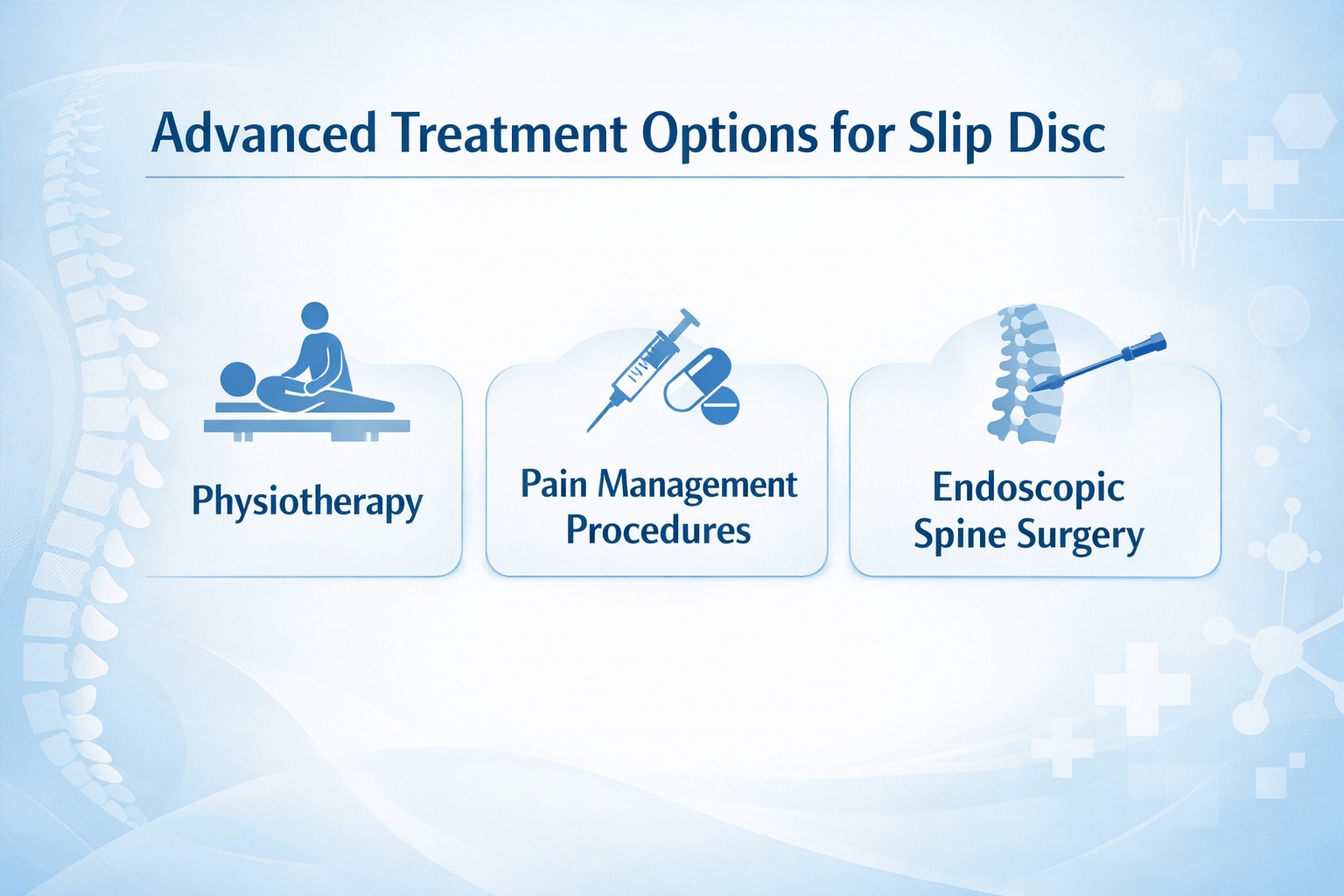
Available treatment options include:
Physiotherapy
Structured rehabilitation programs strengthen supporting muscles and improve spinal stability.
Pain Management Procedures
Certain minimally invasive procedures may reduce nerve irritation and inflammation.
Endoscopic Spine Surgery
Modern minimally invasive techniques allow surgeons to remove disc material causing nerve compression while preserving surrounding tissues.
Many patients seeking treatment from Best Spine Specialist in India benefit from advanced procedures that offer quicker recovery and reduced postoperative discomfort.
Choosing the Right Spine Specialist
The success of slip disc treatment depends heavily on accurate diagnosis and expert care.
Patients often search for Top-rated spine surgeons in India when symptoms become severe or persistent. A qualified specialist can evaluate imaging studies, identify the exact cause of pain, and recommend the most appropriate treatment plan.
For individuals looking for specialized spine care, experienced Leading spinal surgery specialists India provide comprehensive treatment options ranging from conservative management to advanced minimally invasive surgery.
Why Early Treatment Matters
Ignoring slip disc symptoms can sometimes lead to worsening nerve compression and long-term complications.
Seeking guidance from Renowned spine doctors in India at the right time can help prevent:
- Chronic pain
- Muscle weakness
- Reduced mobility
- Permanent nerve damage
Early intervention often results in faster recovery and better long-term outcomes.
Spine Care at The Spine Clinic
At The Spine Clinic, patients receive personalized treatment plans based on their individual condition and lifestyle needs. The clinic focuses on evidence-based care, advanced diagnostic techniques, and modern spine treatment options.
Patients seeking expert consultation can explore specialized services through the back pain treatment page:
back pain specialist Mumbai
For clinic location and directions, visit:
Back Pain Specialist Doctor Mumbai
Many patients researching Best hospitals for spine surgery in India and Affordable spine surgery India prioritize experienced specialists, advanced technology, and patient-centered care when making treatment decisions.
Conclusion
Understanding How to Handle Slip Disc Pain at Home can help you manage symptoms effectively and improve your quality of life. Simple measures such as maintaining good posture, staying active, applying heat or cold therapy, and following healthy lifestyle habits can provide significant relief.
However, persistent or worsening symptoms should never be ignored. Seeking timely evaluation from experienced spine specialists ensures accurate diagnosis, effective treatment, and long-term spinal health.
Copyright © 2025 Website is Designed and Handle by Hopeland Healthcare